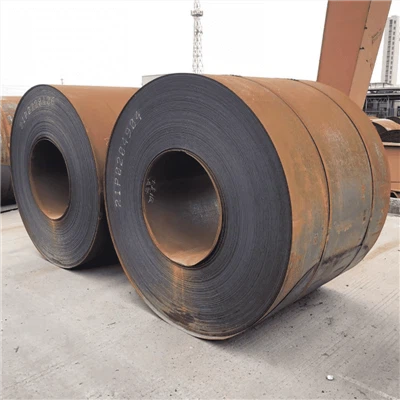
As a seasoned supplier of Inconel coils, I've witnessed firsthand how the content of alloying elements can significantly influence the properties of these remarkable materials. Inconel coils are renowned for their exceptional performance in high-temperature, corrosive, and high-stress environments, making them a staple in industries such as aerospace, chemical processing, and power generation. In this blog post, I'll delve into the intricate relationship between alloying elements and the properties of Inconel coils, shedding light on how these elements work together to create materials with unique characteristics.
The Basics of Inconel Alloys
Inconel is a family of nickel-chromium-based superalloys known for their excellent corrosion resistance, high-temperature strength, and oxidation resistance. These alloys typically contain a high percentage of nickel, which provides a stable base for the addition of other alloying elements. The specific composition of an Inconel alloy can vary depending on the desired properties, but common alloying elements include chromium, molybdenum, titanium, aluminum, and iron.
The Role of Chromium
Chromium is one of the most important alloying elements in Inconel coils. It plays a crucial role in enhancing the corrosion resistance of the alloy by forming a protective oxide layer on the surface. This oxide layer acts as a barrier, preventing the underlying metal from reacting with corrosive substances in the environment. Chromium also improves the high-temperature strength and oxidation resistance of the alloy, making it suitable for applications in extreme conditions.
In general, the higher the chromium content in an Inconel alloy, the better its corrosion resistance. However, increasing the chromium content can also affect other properties of the alloy, such as its ductility and weldability. Therefore, the chromium content must be carefully balanced to achieve the desired combination of properties.
The Influence of Molybdenum
Molybdenum is another important alloying element in Inconel coils. It enhances the corrosion resistance of the alloy, particularly in environments containing sulfuric acid, hydrochloric acid, and other aggressive chemicals. Molybdenum also improves the high-temperature strength and creep resistance of the alloy, making it suitable for applications in high-stress environments.
The addition of molybdenum to an Inconel alloy can also improve its pitting and crevice corrosion resistance. Pitting corrosion occurs when small holes or pits form on the surface of the metal, while crevice corrosion occurs in narrow gaps or crevices between two metal surfaces. Molybdenum helps to prevent these types of corrosion by forming a protective film on the surface of the metal.
The Impact of Titanium and Aluminum
Titanium and aluminum are often added to Inconel alloys to improve their strength and oxidation resistance. These elements form intermetallic compounds with nickel, which strengthen the alloy and improve its high-temperature properties. Titanium and aluminum also help to form a stable oxide layer on the surface of the alloy, which provides additional protection against oxidation and corrosion.


The addition of titanium and aluminum can also affect the grain structure of the alloy, which can have a significant impact on its mechanical properties. For example, a fine-grained structure can improve the strength and ductility of the alloy, while a coarse-grained structure can reduce its strength and ductility. Therefore, the amount of titanium and aluminum added to the alloy must be carefully controlled to achieve the desired grain structure and mechanical properties.
The Effect of Iron
Iron is a common alloying element in Inconel coils, although its content is typically limited to a few percent. Iron can improve the strength and hardness of the alloy, as well as its machinability. However, too much iron can also reduce the corrosion resistance of the alloy, particularly in environments containing chloride ions.
The addition of iron to an Inconel alloy can also affect its phase stability. In some cases, the presence of iron can cause the formation of secondary phases, which can reduce the mechanical properties of the alloy. Therefore, the iron content must be carefully controlled to ensure the desired phase stability and mechanical properties.
Case Study: Inconel 783 Coil
One example of an Inconel alloy that demonstrates the influence of alloying elements on its properties is Inconel 783 Coil. This alloy is a nickel-iron-chromium-based superalloy that contains significant amounts of titanium, aluminum, and niobium. The addition of these alloying elements gives Inconel 783 excellent high-temperature strength, oxidation resistance, and creep resistance, making it suitable for applications in gas turbine engines and other high-temperature environments.
Inconel 783 also has good corrosion resistance, particularly in environments containing sulfuric acid and other aggressive chemicals. The alloy's high chromium content helps to form a protective oxide layer on the surface, which provides additional protection against corrosion.
Conclusion
In conclusion, the content of alloying elements plays a crucial role in determining the properties of Inconel coils. Each alloying element contributes to the alloy's corrosion resistance, high-temperature strength, oxidation resistance, and other properties in a unique way. By carefully controlling the composition of the alloy, manufacturers can create Inconel coils with the specific properties required for a wide range of applications.
If you're in the market for Inconel coils, I encourage you to contact me to discuss your specific requirements. As a trusted supplier of Inconel coils, I can provide you with high-quality products and expert advice to help you choose the right alloy for your application. Whether you need Inconel 783 Coil or another type of Inconel alloy, I'm here to help you find the solution that meets your needs.