


Maintaining alloy steel plates is a crucial aspect that can significantly extend their service life, enhance performance, and ensure the best value for our clients. As an alloy steel plate supplier, we understand the importance of providing in - depth knowledge on how to maintain these versatile materials. In this blog, we will explore various methods and practices for proper alloy steel plate maintenance.
Understanding Alloy Steel Plates
Alloy steel plates are made by adding various alloying elements such as chromium, nickel, molybdenum, and vanadium to carbon steel. These elements improve the strength, hardness, corrosion resistance, and heat resistance of the steel. For example, the X12CrMo5 Alloy Steel Plate contains chromium and molybdenum, which enhance its high - temperature resistance and oxidation resistance.
Surface Cleaning
The first step in maintaining alloy steel plates is proper surface cleaning. During storage, transportation, and use, the surface of alloy steel plates may accumulate dirt, grease, dust, or other contaminants. If not removed in time, these contaminants can cause local corrosion and reduce the performance of the plates.
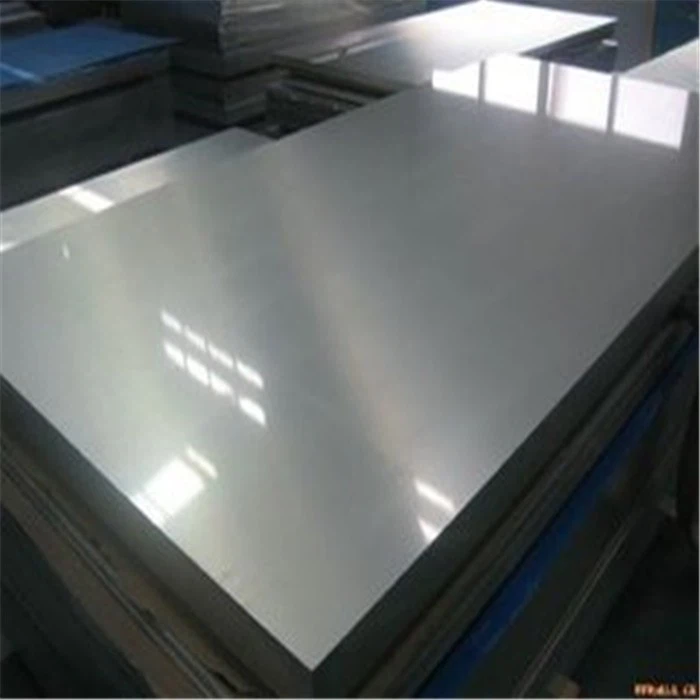

- Mechanical Cleaning: For large - area, thick - layer dirt, mechanical cleaning methods are often used. This includes using wire brushes, sandblasting, or shot - peening. Wire brushes are suitable for light - dirt situations. They can be used to remove loose rust and dirt on the surface. Sandblasting and shot - peening are more effective for stubborn dirt and scale. Sandblasting uses high - pressure air to spray abrasives such as sand onto the surface of the steel plate, while shot - peening uses high - speed projectiles to impact the surface.
- Chemical Cleaning: Chemical cleaning can be used for fine cleaning of alloy steel plates. Solvents such as acetone or mild detergents can remove grease and oil. For more severe corrosion, pickling solutions can be used. However, it is necessary to be cautious when using pickling solutions because they may damage the passive film on the surface of the steel plate and cause over - corrosion. After chemical cleaning, the steel plate should be thoroughly rinsed with clean water to remove residual chemicals.
Corrosion Prevention
Corrosion is one of the main factors affecting the service life of alloy steel plates. Although alloy steel has better corrosion resistance than ordinary carbon steel, it is still necessary to take appropriate measures to prevent corrosion.
- Coating Protection: Applying a protective coating is a common and effective method of corrosion prevention. Coatings can act as a physical barrier between the steel plate and the external environment, preventing oxygen, moisture, and other corrosive substances from contacting the steel surface. There are various types of coatings available, such as epoxy coatings, polyurethane coatings, and zinc - rich coatings. Epoxy coatings are known for their excellent adhesion and chemical resistance, making them suitable for various industrial environments. Polyurethane coatings offer good weather resistance and aesthetic appearance, which are often used in outdoor applications. Zinc - rich coatings can provide sacrificial anode protection in addition to the barrier effect.
- Cathodic Protection: Cathodic protection is another important corrosion prevention method. It works by making the alloy steel plate the cathode of an electrochemical cell, thereby preventing the oxidation reaction of the steel. There are two main types of cathodic protection: sacrificial anode cathodic protection and impressed current cathodic protection. Sacrificial anode cathodic protection uses a more active metal (such as zinc or aluminum) as the anode, which is connected to the steel plate. The anode will corrode preferentially, protecting the steel plate. Impressed current cathodic protection uses an external power source to supply a current to the steel plate, making it the cathode.
Storage Conditions
Proper storage conditions are essential for maintaining the quality of alloy steel plates during the storage period.
- Dry Environment: Alloy steel plates should be stored in a dry environment. Moisture is one of the main causes of corrosion. If the storage environment is too humid, the steel plate may rust quickly. To prevent this, the storage area should be well - ventilated and equipped with dehumidification equipment if necessary. The relative humidity should be kept below 60%.
- Separation and Support: When storing alloy steel plates, they should be separated to avoid direct contact between different plates, which may cause scratches and promote corrosion. Additionally, the plates should be properly supported. Uneven support may cause deformation of the steel plates, especially for thin - walled alloy steel plates. Pallets or racks can be used to support the plates, and the distance between the supports should be appropriate to ensure even stress distribution.
- Protection from Chemicals: The storage area should be kept away from chemicals that may cause corrosion to the alloy steel plates, such as acids, alkalis, and salts. If the steel plates are contaminated by chemicals, they should be cleaned immediately.
Inspection and Monitoring
Regular inspection and monitoring are necessary to detect potential problems with alloy steel plates in a timely manner.
- Visual Inspection: Visual inspection is the simplest and most direct method. By observing the surface of the steel plate, we can detect signs of corrosion, cracks, deformation, or other damage. During the inspection, pay special attention to edges, welds, and areas prone to contamination. If any problems are found, appropriate measures should be taken immediately, such as repairing the damaged area or replacing the steel plate.
- Non - destructive Testing: Non - destructive testing methods can be used to detect internal defects in alloy steel plates. Common non - destructive testing methods include ultrasonic testing, magnetic particle testing, and radiographic testing. Ultrasonic testing can detect internal flaws such as cracks and porosity. Magnetic particle testing is suitable for detecting surface and near - surface defects in ferromagnetic materials. Radiographic testing uses X - rays or gamma rays to penetrate the steel plate and form an image on a film or digital detector, which can show internal defects clearly.
Handling and Installation Precautions
Proper handling and installation can also affect the long - term performance of alloy steel plates.
- Careful Handling: When handling alloy steel plates, care should be taken to avoid scratches, impacts, and bending. Special lifting equipment, such as slings and grabs, should be used to ensure safe and stable lifting. During transportation, the plates should be properly fixed to prevent movement and collision.
- Correct Installation: During the installation process, ensure that the installation environment meets the requirements. Follow the correct installation procedures and standards. For welded joints, ensure that the welding process is correct and that the quality of the welds meets the requirements. Improper welding may cause stress concentration and corrosion at the welds.
As an alloy steel plate supplier, we are committed to providing our clients with high - quality alloy steel plates and comprehensive technical support. We understand that proper maintenance can not only extend the service life of the steel plates but also reduce the overall cost of use. If you are interested in our alloy steel plates or need more information on maintenance, please feel free to contact us for further procurement discussions.


