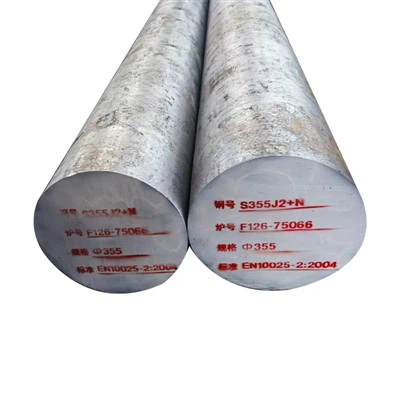
Structural steel is a fundamental material in the construction and engineering industries, known for its strength, durability, and versatility. As a dedicated structural steel supplier, I have witnessed firsthand the diverse applications and benefits of different types of structural steel. In this blog post, I will explore the common types of structural steel, their properties, and typical uses.
Carbon Steel
Carbon steel is one of the most widely used types of structural steel. It is primarily composed of iron and carbon, with small amounts of other elements such as manganese, silicon, and sulfur. The carbon content in carbon steel typically ranges from 0.05% to 2.0%, which significantly influences its properties.
- Low - Carbon Steel: Also known as mild steel, low - carbon steel has a carbon content of less than 0.3%. It is easy to form, weld, and machine, making it suitable for a wide range of applications. Low - carbon steel is commonly used in general construction, including building frames, bridges, and automotive parts. Its relatively low cost and good ductility make it a popular choice for many projects.
- Medium - Carbon Steel: With a carbon content between 0.3% and 0.6%, medium - carbon steel offers higher strength than low - carbon steel. It is often used in applications where greater strength and hardness are required, such as axles, gears, and shafts. Medium - carbon steel can be heat - treated to further enhance its mechanical properties.
- High - Carbon Steel: High - carbon steel contains more than 0.6% carbon. It is extremely hard and strong but has lower ductility compared to low - and medium - carbon steels. High - carbon steel is used in applications where wear resistance and high strength are crucial, such as cutting tools, springs, and high - stress components.
Alloy Steel
Alloy steel is created by adding other elements to carbon steel to improve its properties. Common alloying elements include chromium, nickel, molybdenum, and vanadium. These elements can enhance the strength, hardness, corrosion resistance, and heat resistance of the steel.
- Stainless Steel: Stainless steel is a well - known type of alloy steel that contains at least 10.5% chromium. This chromium content forms a passive oxide layer on the surface of the steel, which provides excellent corrosion resistance. Stainless steel is widely used in applications where corrosion resistance is essential, such as food processing equipment, architectural structures, and marine applications.
- High - Strength Low - Alloy (HSLA) Steel: HSLA steel is designed to have high strength and good formability. It contains small amounts of alloying elements such as copper, nickel, vanadium, and niobium. HSLA steel is commonly used in the construction of bridges, buildings, and heavy machinery, where high strength and light weight are required.
Structural Steel Shapes
In addition to the different types of steel based on composition, structural steel is also available in various shapes, each with its own unique properties and applications.
- I - Beams: I - beams, also known as H - beams or wide - flange beams, have an I - shaped cross - section. They are designed to provide high strength and stiffness in the direction of the web. I - beams are commonly used in building frames, bridges, and industrial structures to support heavy loads.
- Channels: Channels have a C - shaped cross - section. They are often used for framing, bracing, and support in construction projects. Channels can be used in combination with other structural steel shapes to create a stable structure.
- Angles: Structural angles have an L - shaped cross - section. They are versatile and can be used for a variety of applications, including framing, bracing, and connections. For example, the S235JR Structural Angle is a popular choice due to its good strength and weldability.
- Tubes: Structural tubes come in various shapes, including circular, square, and rectangular. They are used in applications where high strength and resistance to torsion are required, such as in the construction of towers, frames, and offshore platforms.
Properties and Advantages of Structural Steel
Structural steel offers several key properties and advantages that make it a preferred material in the construction and engineering industries.
- High Strength: Structural steel has a high strength - to - weight ratio, which means it can support heavy loads while using less material compared to other building materials. This results in cost savings and more efficient use of resources.
- Durability: Steel is a durable material that can withstand harsh environmental conditions, including extreme temperatures, corrosion, and seismic activity. It has a long service life, reducing the need for frequent repairs and replacements.
- Versatility: Structural steel can be fabricated into a wide range of shapes and sizes, allowing for creative and innovative designs. It can be easily welded, bolted, or riveted, making it suitable for various construction methods.
- Recyclability: Steel is one of the most recycled materials in the world. Recycling steel reduces energy consumption and environmental impact, making it a sustainable choice for construction projects.
Applications of Structural Steel
Structural steel is used in a wide variety of applications across different industries.


- Building Construction: Structural steel is the primary material used in the construction of high - rise buildings, industrial buildings, and residential structures. It provides the framework for the building, supporting the weight of the floors, walls, and roof.
- Bridge Construction: Bridges require materials that can withstand heavy loads and environmental stresses. Structural steel is commonly used in bridge construction due to its high strength and durability. It can be used to build large - span bridges, such as suspension bridges and cable - stayed bridges.
- Industrial Equipment: In the industrial sector, structural steel is used to manufacture machinery, equipment, and storage facilities. It provides the necessary strength and stability for these applications.
- Infrastructure Projects: Structural steel is also used in infrastructure projects such as airports, railway stations, and water treatment plants. It is used to build the framework and support structures for these large - scale projects.
Choosing the Right Structural Steel
When selecting the right type of structural steel for a project, several factors need to be considered.
- Load Requirements: The load that the structure will need to support is a critical factor in determining the appropriate type of steel. Higher - strength steels may be required for structures that will carry heavy loads.
- Environmental Conditions: The environmental conditions in which the structure will be located, such as exposure to corrosion, extreme temperatures, or seismic activity, will also influence the choice of steel. For example, stainless steel may be required in marine environments to prevent corrosion.
- Fabrication and Construction Methods: The fabrication and construction methods used for the project will affect the choice of steel. Some steels are easier to weld, form, or machine than others, which can impact the construction process.
Contact for Procurement
If you are in need of high - quality structural steel for your project, I invite you to contact me. As a reliable structural steel supplier, I can provide you with a wide range of structural steel products, including different types of steel and various shapes. We are committed to delivering the best products at competitive prices and providing excellent customer service. Whether you are working on a small - scale construction project or a large - scale infrastructure development, we have the expertise and resources to meet your needs.