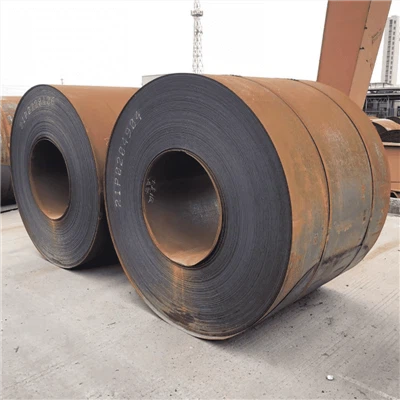
As a structural steel supplier, I know firsthand how crucial quality control is in the fabrication process. Structural steel is used in various applications, from buildings and bridges to industrial structures and machinery. Any defect or flaw in the fabricated steel can compromise the safety and integrity of the entire project. Therefore, implementing robust quality control measures is not just a best practice; it's a necessity.
Raw Material Inspection
The first step in quality control starts with the inspection of raw materials. When the steel arrives at our facility, we conduct a comprehensive check to ensure it meets the specified standards. This includes verifying the material grade, dimensions, and surface condition. For instance, we often deal with S235JR Structural Angle, which is a popular choice due to its good weldability and strength. We carefully measure the angles and thickness of the material to make sure they match the order specifications.
We also perform hardness testing on selected samples to confirm the material's mechanical properties. This helps us detect any potential issues such as improper heat treatment or material inconsistency. By inspecting the raw materials thoroughly, we can prevent substandard steel from entering the fabrication process and ensure that our products are built on a solid foundation.
Welding Quality Assurance
Welding is a critical process in structural steel fabrication, as it joins the individual components together to form the final structure. Poor welding can lead to weak joints, cracks, and other structural failures. To maintain high welding quality, we have a strict set of procedures in place.
First, we ensure that our welders are certified and experienced. They undergo regular training to keep up with the latest welding techniques and standards. Before starting any welding work, our welders clean the surfaces to be welded to remove any dirt, rust, or contaminants. This helps to ensure a strong and durable weld.
We also use advanced welding equipment and techniques to minimize the risk of defects. For example, we use automatic welding machines for some applications, which can provide more consistent welds compared to manual welding. During the welding process, our quality control team conducts regular inspections to check the weld beads for proper penetration, width, and height. Non - destructive testing methods, such as ultrasonic testing and magnetic particle testing, are used to detect any internal or surface defects in the welds.
Dimensional Accuracy
Dimensional accuracy is another key aspect of quality control in structural steel fabrication. Even a small deviation from the specified dimensions can cause problems during installation. To ensure accurate dimensions, we use precision cutting and machining equipment. Laser cutting, for example, offers high precision and can cut complex shapes with tight tolerances.


After cutting and machining, we measure the fabricated components using calibrated measuring tools. This includes using calipers, micrometers, and coordinate measuring machines (CMMs). Our quality control technicians compare the measured dimensions with the design specifications to identify any discrepancies. If any parts are found to be out of tolerance, they are either reworked or scrapped to ensure that only parts meeting the required standards are used in the final assembly.
Assembly and Fit - up Checks
Once the individual components are fabricated, they need to be assembled to form the complete structure. During the assembly process, we conduct fit - up checks to ensure that all the parts fit together properly. This involves aligning the components according to the design drawings and checking for any gaps or misalignments.
We use jigs and fixtures to hold the parts in place during assembly, which helps to ensure consistent and accurate fit - up. Our quality control team inspects each joint and connection to ensure that the bolts or welds can be installed correctly. If there are any issues with the fit - up, we take corrective actions immediately, such as adjusting the alignment or re - machining the parts.
Surface Treatment and Coating
Surface treatment and coating are important for protecting the structural steel from corrosion and enhancing its appearance. We follow strict procedures for surface preparation, which typically includes shot blasting or sandblasting to remove rust, mill scale, and other contaminants from the steel surface.
After surface preparation, we apply the appropriate coating system based on the project requirements. The coating thickness is carefully monitored to ensure it meets the specified standards. We use coating thickness gauges to measure the thickness at multiple points on the surface. In addition, we conduct adhesion tests to ensure that the coating adheres properly to the steel surface. This helps to prevent the coating from peeling or flaking off over time, which would expose the steel to corrosion.
Final Inspection and Documentation
Before shipping the finished structural steel products, we conduct a final inspection to ensure that they meet all the quality requirements. This includes a visual inspection to check for any remaining defects, such as scratches, dents, or uneven coating. We also review all the inspection reports and test results to ensure that all the quality control procedures have been followed.
We provide detailed documentation to our customers, including material certificates, welding records, inspection reports, and test results. This documentation not only provides transparency about the quality of our products but also helps our customers meet their project requirements and regulatory standards.
Why Choose Us?
If you're in the market for high - quality structural steel products, you can trust us. Our commitment to quality control ensures that every product we supply meets the highest industry standards. We have the expertise, experience, and state - of - the - art equipment to handle projects of all sizes, from small - scale industrial structures to large commercial buildings.
Whether you need S235JR Structural Angle or other structural steel profiles, we can provide you with the best solutions. We work closely with our customers to understand their specific needs and ensure that our products are delivered on time and within budget.
If you're interested in discussing your structural steel requirements, we'd love to hear from you. Contact us today to start a conversation about how we can help you with your next project.