As a supplier of stainless steel wire, I often get asked whether stainless steel wire has good conductivity. Well, let's dive into this topic and find out.
First off, we need to understand what conductivity means. Conductivity is the measure of a material's ability to conduct an electric current. Metals are generally good conductors because they have free electrons that can move easily through the material when an electric field is applied.
Stainless steel is an alloy, which means it's made up of a combination of different elements. The main components of stainless steel are iron, chromium, and nickel, along with other elements in smaller amounts. The addition of these elements gives stainless steel its corrosion - resistant properties, which is one of the reasons it's so popular in various industries.
Now, when it comes to conductivity, stainless steel is not as good a conductor as some other metals like copper or aluminum. Copper is known for its excellent conductivity and is widely used in electrical wiring. Aluminum is also a good conductor and is often used in power transmission lines.
The reason stainless steel has relatively lower conductivity is due to its alloying elements. Chromium, for example, forms a thin oxide layer on the surface of the stainless steel, which can impede the flow of electrons. Also, the complex structure of the alloy can scatter the free electrons, reducing their mobility and thus the conductivity of the material.
However, that doesn't mean stainless steel wire has no use in electrical applications. In some cases, its other properties, such as corrosion resistance and strength, make it a better choice even with its lower conductivity. For instance, in marine environments where corrosion is a major concern, stainless steel wire can be used in electrical systems despite its lower conductivity.
Let's take a look at some numbers to get a better understanding. The electrical conductivity of copper is about 5.96×10⁷ S/m (siemens per meter). Aluminum has a conductivity of around 3.77×10⁷ S/m. In comparison, the conductivity of stainless steel can vary depending on its composition, but it's typically in the range of 10⁶ S/m. So, it's clear that stainless steel is not in the same league as copper or aluminum when it comes to conductivity.
But in certain applications, the trade - off between conductivity and other properties is worth it. For example, in some electronic devices where the wire needs to be resistant to oxidation and mechanical stress, stainless steel wire can be a great option.
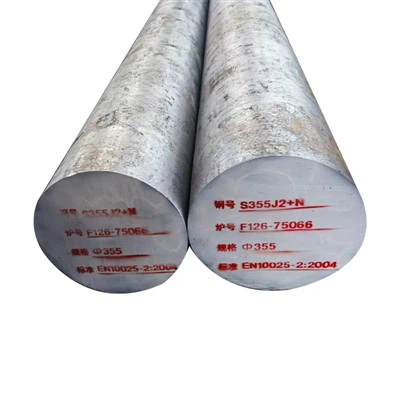
If you're in the market for high - performance metal products, we also offer Inconel 783 Coil and Inconel 800H Pipe. These materials have their own unique properties and are suitable for different applications. And if you need carbon steel products, our S45C Carbon Steel Bar is a great choice.
So, does stainless steel wire have good conductivity? Well, it depends on your definition of "good." If you're comparing it to copper or aluminum, then no, it doesn't have great conductivity. But in many real - world applications, its other properties make it a valuable material.
If you're interested in purchasing stainless steel wire or any of our other products, don't hesitate to reach out. We're here to help you find the right material for your specific needs. Whether you're working on a small DIY project or a large - scale industrial application, we can provide you with high - quality products at competitive prices.
Let's have a chat about your requirements and see how we can assist you. We're always happy to answer any questions you might have and provide you with detailed information about our products.
References