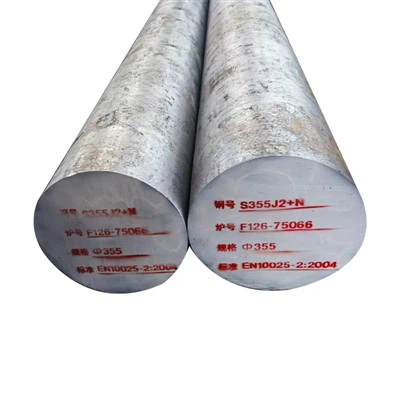
Silicon is one of the common alloying elements in carbon steel, and it plays a significant role in influencing the properties of carbon steel. As a carbon steel supplier, I've seen firsthand how silicon can impact the quality and performance of different carbon steel products, like the 1018 Carbon Steel Bar, SS400 Carbon Steel Plate, and 1045 Carbon Steel Pipe. Let's dive into the effects of silicon in carbon steel.
Strengthening the Steel
One of the primary effects of silicon in carbon steel is its ability to strengthen the material. Silicon is a solid - solution strengthener. When added to carbon steel, it dissolves in the iron matrix, creating lattice distortions. These distortions make it more difficult for dislocations to move through the crystal structure of the steel. As a result, the steel becomes stronger and more resistant to deformation.
For example, in the case of 1018 Carbon Steel Bar, a small amount of silicon can enhance its yield strength and tensile strength. This is crucial for applications where the bar needs to withstand heavy loads, such as in construction and machinery parts. The strengthened bar can better handle the stress and strain without breaking or deforming, which means longer service life and less maintenance.
Improving Hardness
Silicon also contributes to increasing the hardness of carbon steel. When steel is heat - treated, silicon can promote the formation of harder phases within the steel structure. It helps in the precipitation of carbides and other hardening particles.
In 1045 Carbon Steel Pipe, the addition of silicon can lead to a harder pipe surface. This is beneficial in applications where the pipe is exposed to abrasive materials or high - pressure fluids. A harder pipe can resist wear and erosion better, reducing the risk of leaks and failures.
Enhancing Ductility
Contrary to what some might think, silicon can also improve the ductility of carbon steel under certain conditions. While it strengthens the steel, it also helps in maintaining a good balance between strength and ductility.


In SS400 Carbon Steel Plate, silicon can improve the plate's ability to be formed and shaped without cracking. This is essential for applications where the plate needs to be bent, rolled, or stamped into various shapes. The enhanced ductility allows for more complex and precise manufacturing processes.
Impact on Weldability
Silicon has a mixed impact on the weldability of carbon steel. On one hand, a small amount of silicon can help in deoxidizing the weld pool during the welding process. It reacts with oxygen to form silicon dioxide, which floats to the surface of the weld and prevents the formation of porosity.
However, if the silicon content is too high, it can lead to the formation of hard and brittle phases in the heat - affected zone of the weld. This can reduce the toughness of the weld and increase the risk of cracking. As a carbon steel supplier, we need to carefully control the silicon content in our products to ensure good weldability, especially for products like 1018 Carbon Steel Bar and 1045 Carbon Steel Pipe that are often welded in various applications.
Influence on Corrosion Resistance
Silicon can have a positive effect on the corrosion resistance of carbon steel. It forms a thin oxide layer on the surface of the steel, which acts as a barrier against corrosion. This oxide layer is more stable and adherent compared to the oxide layer that forms on plain carbon steel.
For SS400 Carbon Steel Plate, the addition of silicon can extend its service life in environments where it is exposed to moisture, chemicals, or other corrosive agents. This is particularly important for outdoor applications or in industries where corrosion is a major concern.
Thermal Conductivity
Silicon can also affect the thermal conductivity of carbon steel. Generally, as the silicon content increases, the thermal conductivity of the steel decreases. This can be both an advantage and a disadvantage depending on the application.
In some applications, such as in high - temperature furnaces or heat - transfer equipment, a lower thermal conductivity might be desirable to reduce heat loss. On the other hand, in applications where efficient heat transfer is required, a lower thermal conductivity can be a drawback. As a supplier, we need to consider the specific requirements of our customers when it comes to the thermal properties of our carbon steel products.
Cost - Benefit Analysis
Adding silicon to carbon steel does come with a cost. The price of silicon and the additional processing steps required to incorporate it into the steel can increase the overall cost of production. However, the benefits in terms of improved strength, hardness, ductility, and corrosion resistance often outweigh the additional cost.
For example, a manufacturer using 1045 Carbon Steel Pipe in a high - pressure application might be willing to pay a slightly higher price for a pipe with better performance and longer service life. As a carbon steel supplier, we need to communicate these cost - benefit trade - offs to our customers to help them make informed decisions.
Conclusion
In conclusion, silicon has a wide range of effects on carbon steel, from strengthening and hardening to improving ductility, weldability, and corrosion resistance. These effects make silicon an important alloying element in the production of various carbon steel products, such as 1018 Carbon Steel Bar, SS400 Carbon Steel Plate, and 1045 Carbon Steel Pipe.
If you're in the market for high - quality carbon steel products and want to learn more about how silicon can benefit your specific application, don't hesitate to reach out. We're here to help you find the best carbon steel solution for your needs.