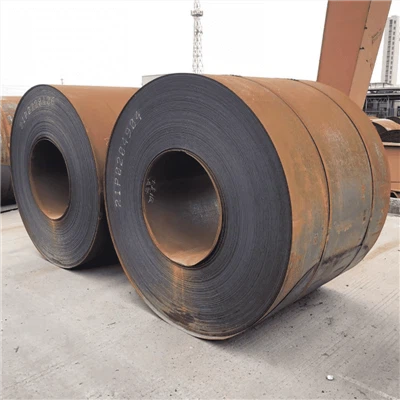
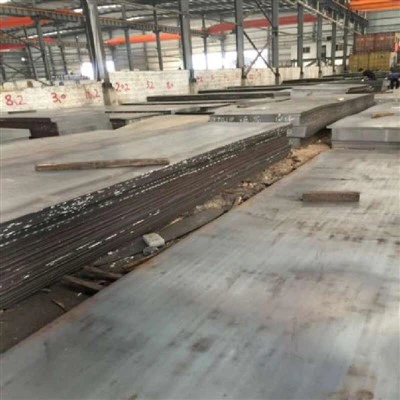
Spring steel is a game - changer when it comes to enhancing the seismic resistance of buildings. As a spring steel supplier, I've seen firsthand how this remarkable material can make a significant difference in the safety and stability of structures in earthquake - prone areas.
Understanding Seismic Forces
Before diving into how spring steel helps, let's quickly understand what seismic forces are. Earthquakes generate powerful waves that shake the ground. These waves transfer energy to buildings, causing them to sway, twist, and sometimes even collapse. The key to a building's survival during an earthquake is its ability to absorb and dissipate this energy.
The Unique Properties of Spring Steel
Spring steel is known for its high elasticity and strength. It can be bent and deformed under stress but will return to its original shape once the stress is removed. This property is crucial in seismic situations. When an earthquake hits, a building made with spring steel components can flex and bend with the seismic waves instead of breaking.
For example, in the frame of a building, spring steel can be used in the form of beams or columns. These spring - steel elements act like shock absorbers. They stretch and compress as the building sways, absorbing the energy from the seismic waves. This reduces the overall stress on the building's structure and helps prevent damage.


Spring Steel in Structural Design
Architects and engineers are increasingly incorporating spring steel into their building designs. One common application is in the base isolation systems. Base isolation is a technique where the building is separated from the ground by flexible bearings or isolators. Spring steel can be used to create these isolators.
When an earthquake occurs, the isolators made of spring steel allow the building to move independently of the ground. The spring steel absorbs the seismic energy, preventing it from being transferred directly to the building. This significantly reduces the shaking and damage to the structure.
Another way spring steel is used is in the connection points of a building. In a traditional building, the connections between beams and columns are often rigid. However, in a building designed for seismic resistance, spring - steel connections can be used. These connections allow for some movement between the structural elements, which helps in dissipating the seismic energy.
Types of Spring Steel for Seismic Applications
There are different types of spring steel available, each with its own set of properties that make it suitable for seismic applications. One popular type is the 1074 Spring Steel Wire. This wire is known for its high tensile strength and good ductility. It can be used in various applications, such as in the reinforcement of concrete structures.
Another type is the 1095 Spring Steel Strip. This strip is often used in the construction of seismic - resistant braces. The high strength and elasticity of the 1095 spring steel strip allow it to effectively absorb and dissipate seismic energy.
Case Studies
Let's take a look at some real - world examples of how spring steel has enhanced the seismic resistance of buildings. In a recent earthquake in a coastal city, a high - rise building that incorporated spring - steel base isolators survived with minimal damage. The spring - steel isolators absorbed the majority of the seismic energy, preventing the building from experiencing excessive shaking.
In another case, a bridge in an earthquake - prone region was retrofitted with spring - steel connections. After a subsequent earthquake, the bridge remained intact, while nearby bridges without such connections suffered significant damage. These case studies clearly demonstrate the effectiveness of spring steel in seismic - resistant construction.
Advantages of Using Spring Steel
One of the main advantages of using spring steel in building construction is its durability. Spring steel can withstand repeated cycles of stress without losing its elasticity. This means that a building with spring - steel components can remain resilient over many years, even in areas with frequent seismic activity.
Another advantage is its cost - effectiveness. While the initial cost of using spring steel may be slightly higher than traditional building materials, the long - term savings in terms of reduced maintenance and repair costs are significant. Additionally, the enhanced safety provided by spring steel can potentially save lives and reduce property damage during an earthquake.
Future Trends
As technology advances, we can expect to see even more innovative uses of spring steel in seismic - resistant construction. For example, researchers are exploring the use of smart spring - steel materials that can adjust their properties in real - time based on the seismic conditions. These materials could further enhance the ability of buildings to withstand earthquakes.
Contact for Procurement
If you're involved in a building project and are interested in using spring steel to enhance the seismic resistance of your structure, I'd love to have a chat. As a spring steel supplier, I can provide you with high - quality spring steel products and offer expert advice on the best applications for your specific needs. Don't hesitate to reach out and start a discussion about how spring steel can make your building safer and more resilient.