Stainless steel is a remarkable material that has found its way into numerous industries, and the textile industry is no exception. As a stainless steel supplier, I've seen firsthand how this versatile metal plays a crucial role in various aspects of textile production. In this blog, I'll dive into the different applications of stainless steel in the textile industry and why it's such a popular choice.
Machinery Components
One of the primary applications of stainless steel in the textile industry is in the manufacturing of machinery components. Textile machines are complex pieces of equipment that require parts that can withstand high levels of stress, wear, and corrosion. Stainless steel fits the bill perfectly due to its excellent mechanical properties and resistance to rust.
For example, the rollers and cylinders used in spinning and weaving machines are often made from stainless steel. These components need to be smooth and durable to ensure the proper movement of fibers and yarns. Stainless steel's high strength and hardness make it ideal for these applications, as it can handle the constant friction and pressure without deforming or wearing out quickly.


Another critical component is the needles used in knitting and sewing machines. Stainless steel needles are sharp, strong, and resistant to corrosion, which is essential for producing high-quality textile products. They can penetrate various types of fabrics without breaking or bending, ensuring a smooth and efficient sewing process.
Dyeing and Finishing Equipment
Stainless steel is also widely used in the dyeing and finishing processes of textiles. The dyeing vats, tanks, and pipes used in these operations are typically made from stainless steel because of its resistance to chemical corrosion. Dyes and chemicals used in the textile industry can be highly corrosive, and stainless steel provides a reliable and long-lasting solution.
For instance, A269 TP904L Stainless Steel Tube is often used in dyeing and finishing equipment due to its excellent corrosion resistance and high-temperature stability. These tubes can handle the harsh chemicals and high temperatures involved in the dyeing process without deteriorating, ensuring the quality and consistency of the dyed textiles.
In addition to the equipment, stainless steel is also used in the construction of drying and heat-setting chambers. These chambers need to be able to withstand high temperatures and maintain a uniform heat distribution to ensure proper drying and finishing of the textiles. Stainless steel's high thermal conductivity and resistance to heat make it an ideal material for these applications.
Storage and Handling
Stainless steel is also used in the storage and handling of textiles. Textile warehouses and factories require storage racks, shelves, and containers that can protect the products from damage and contamination. Stainless steel's smooth surface and resistance to corrosion make it easy to clean and maintain, ensuring a hygienic storage environment.
For example, 310S Stainless Steel Bar can be used to construct sturdy storage racks that can support heavy loads of textiles. These bars are strong and durable, and they can withstand the weight and pressure of the stored products without bending or breaking.
In addition to storage, stainless steel is also used in the handling of textiles. Conveyor belts, rollers, and other handling equipment are often made from stainless steel to ensure smooth and efficient movement of the products. Stainless steel's low friction coefficient and resistance to wear make it ideal for these applications, as it can reduce the risk of damage to the textiles during handling.
Filtration and Separation
Stainless steel is also used in the filtration and separation processes of textiles. During the production of textiles, various impurities and contaminants need to be removed from the fibers and yarns. Stainless steel filters and sieves are commonly used for this purpose because of their high porosity, durability, and resistance to corrosion.
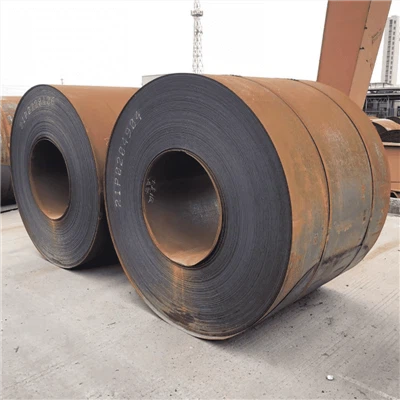
For example, 316 Stainless Steel Coil can be used to manufacture fine mesh filters that can remove small particles and impurities from the textile fibers. These coils are made from high-quality stainless steel that can withstand the pressure and flow of the filtration process without clogging or deteriorating.
In addition to filtration, stainless steel is also used in the separation of different types of fibers and yarns. Centrifuges and other separation equipment are often made from stainless steel to ensure efficient and accurate separation of the products. Stainless steel's high strength and resistance to corrosion make it ideal for these applications, as it can handle the high-speed rotation and harsh chemicals involved in the separation process.
Advantages of Using Stainless Steel in the Textile Industry
There are several advantages of using stainless steel in the textile industry. Firstly, stainless steel is highly durable and can withstand the harsh conditions and high levels of stress involved in textile production. This means that the equipment and components made from stainless steel have a longer lifespan, reducing the need for frequent replacements and maintenance.
Secondly, stainless steel is resistant to corrosion, which is essential in the textile industry where chemicals and dyes are used. Corrosion can damage the equipment and components, leading to production delays and quality issues. Stainless steel's resistance to corrosion ensures that the equipment and components remain in good condition, ensuring the smooth and efficient operation of the textile production process.
Thirdly, stainless steel is easy to clean and maintain. The smooth surface of stainless steel makes it easy to remove dirt, stains, and contaminants, ensuring a hygienic production environment. This is particularly important in the textile industry where the products need to be free from impurities and contaminants.
Finally, stainless steel is a sustainable material. It can be recycled and reused, reducing the environmental impact of textile production. This is in line with the growing trend towards sustainable and eco-friendly manufacturing practices in the textile industry.
Conclusion
In conclusion, stainless steel plays a vital role in the textile industry. Its excellent mechanical properties, resistance to corrosion, and ease of cleaning make it an ideal material for various applications in textile production, including machinery components, dyeing and finishing equipment, storage and handling, and filtration and separation.
As a stainless steel supplier, I'm proud to be part of the textile industry and to provide high-quality stainless steel products that meet the needs of our customers. If you're in the textile industry and looking for reliable stainless steel materials, I encourage you to get in touch with us. We can help you find the right products for your specific applications and provide you with the support and expertise you need to ensure the success of your business.