Hey there! As a carbon steel supplier, I've seen firsthand the incredible versatility and importance of carbon steel in various industries. One sector where carbon steel really shines is the aerospace industry. In this blog, I'm gonna dive into the different applications of carbon steel in the aerospace world and share why it's such a go - to material.
Structural Components in Aircraft
One of the most prominent uses of carbon steel in the aerospace industry is for making structural components. Aircraft need to be strong enough to withstand extreme forces during flight, such as take - off, cruising, and landing. Carbon steel, with its excellent strength - to - weight ratio, fits the bill perfectly.
For instance, the frames and supports in the fuselage of an aircraft are often made from carbon steel. These parts provide the necessary rigidity and stability to keep the entire structure intact. The frames hold the shape of the fuselage, while the supports distribute the loads evenly across the body. Carbon steel can handle the high stresses and strains associated with flight, ensuring the safety and reliability of the aircraft.
We offer 1018 Carbon Steel Bar, which is a popular choice for these types of applications. It has good machinability and weldability, making it easy to fabricate into the complex shapes required for aircraft structures. The 1018 carbon steel bar also has sufficient strength to support the weight of the aircraft and the forces acting on it during flight.
Landing Gear Systems
The landing gear is another crucial part of an aircraft, and carbon steel plays a vital role here. Landing gear has to endure huge forces when an aircraft touches down on the runway. It needs to absorb the impact and provide a stable base for the aircraft to stop.
Carbon steel is used to make many components of the landing gear, including the shock absorbers, struts, and wheels. The high strength and toughness of carbon steel allow these parts to withstand the heavy loads and repetitive impacts during landings. For example, the struts are responsible for supporting the weight of the aircraft during taxiing, take - off, and landing. They need to be made from a material that can resist bending and deformation under stress.
Our 1045 Carbon Steel Pipe is well - suited for some landing gear applications. The 1045 carbon steel has a relatively high carbon content, which gives it increased strength and hardness. It can be used to make parts that need to bear heavy loads and resist wear and tear.
Engine Components
Aircraft engines are the heart of the plane, and carbon steel is used in several of their parts. Engines operate under extremely high temperatures, pressures, and rotational speeds.
Some engine components, like the valves and fasteners, are made from carbon steel. Valves are responsible for controlling the flow of fuel and air into the engine cylinders. They need to be made from a material that can withstand high temperatures and resist corrosion. Carbon steel can be heat - treated to improve its properties, making it suitable for these demanding applications.
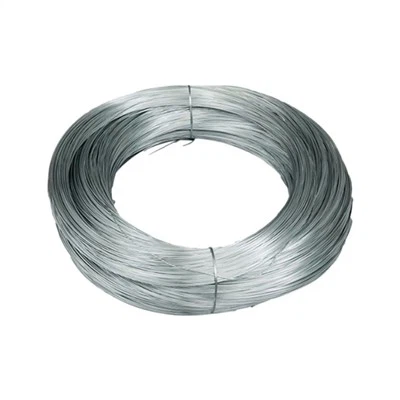
Fasteners, such as bolts and nuts, are used to hold different parts of the engine together. They need to have high tensile strength to ensure that the engine remains securely assembled during operation. Our 1010 Carbon Steel Wire can be used to manufacture these fasteners. The 1010 carbon steel wire has good ductility and can be easily formed into the required shapes, while still providing the necessary strength.
Instrumentation and Control Systems
In the aerospace industry, precise instrumentation and control are essential for safe and efficient flight. Carbon steel is used in the construction of various parts of the instrumentation and control systems.
For example, the casings and enclosures for sensors and electronic components are often made from carbon steel. These casings protect the delicate electronics from damage due to vibrations, impacts, and environmental factors. Carbon steel's strength and durability make it a good choice for these protective applications.
We offer Q195 Carbon Steel Coil, which can be used to fabricate such casings. The Q195 carbon steel coil has good formability, allowing it to be easily shaped into the desired enclosures. It also provides adequate protection against mechanical and environmental stresses.
Interior and Auxiliary Structures
Carbon steel also finds its way into the interior and auxiliary structures of aircraft. For example, the brackets and supports for seats, overhead bins, and other interior fixtures are often made from carbon steel. These parts need to be strong enough to hold the weight of passengers and their belongings, while also being lightweight to minimize the overall weight of the aircraft.
Our 1008 Carbon Steel Coil is a great option for these interior applications. The 1008 carbon steel coil has a low carbon content, which makes it relatively soft and easy to work with. It can be formed into the necessary shapes and still provide the required strength for the interior structures.


Why Choose Our Carbon Steel for Aerospace Applications?
At our supply, we take pride in offering high - quality carbon steel products. Our carbon steel is carefully manufactured to meet the strict quality standards of the aerospace industry. We source the best raw materials and use advanced production techniques to ensure that our products have the right properties.
We also provide excellent customer service. Whether you have questions about our products, need help with product selection, or want to discuss a specific application, our team is always ready to assist you.
Let's Connect for Your Carbon Steel Needs
If you're in the aerospace industry and looking for top - notch carbon steel products, we'd love to hear from you. We can provide you with samples, detailed product information, and competitive pricing. Whether you need a small quantity for a prototype or a large order for mass production, we've got you covered. Reach out to us to start a discussion about your specific requirements and how our carbon steel can fit into your next aerospace project.