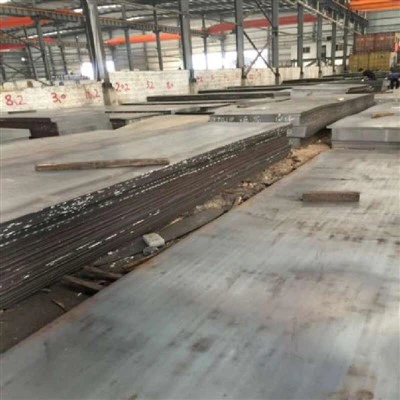
Yo, what's up everyone! I'm an alloy steel plate supplier, and today I'm stoked to chat with you about corrosion-resistant alloy steel plates and their super cool applications.
Let's start with the basics. Corrosion-resistant alloy steel plates are like the superheroes of the steel world. They're specially designed to resist the pesky effects of corrosion, which is basically the gradual destruction of materials by chemical reactions with their environment. You know, rust and all that yucky stuff. These plates are made by adding various alloying elements to the base steel, and each element brings its own unique properties to the table.
One of the most common alloying elements used in corrosion-resistant alloy steel plates is chromium. Chromium forms a thin, protective oxide layer on the surface of the steel, which acts as a barrier against corrosion. It's like a shield that keeps the bad guys (corrosive agents) at bay. Nickel is another important alloying element. It enhances the ductility and toughness of the steel, making it more resistant to cracking and other forms of damage. Molybdenum is also often added to improve the steel's corrosion resistance in harsh environments, especially those containing acids or chlorides.
Now, let's talk about some specific types of corrosion-resistant alloy steel plates. One popular type is the X12CrMo5 Alloy Steel Plate. This plate has a good combination of strength and corrosion resistance, thanks to its composition of chromium, molybdenum, and other elements. It's commonly used in applications where high temperature and corrosion resistance are required, such as in the oil and gas industry, chemical processing plants, and power generation facilities.
Another well-known type is the stainless steel plate. Stainless steel is a broad category of corrosion-resistant alloy steel that contains at least 10.5% chromium. There are different grades of stainless steel, each with its own set of properties and applications. For example, 304 stainless steel is one of the most widely used grades. It has good corrosion resistance in a variety of environments and is often used in kitchen appliances, food processing equipment, and architectural applications. 316 stainless steel, on the other hand, contains molybdenum, which gives it enhanced corrosion resistance in marine and other chloride-rich environments. It's commonly used in coastal construction, offshore platforms, and chemical storage tanks.
So, where are these corrosion-resistant alloy steel plates actually used? Well, there are tons of applications out there. In the oil and gas industry, they're used in pipelines, storage tanks, and drilling equipment. The harsh conditions in these environments, including exposure to corrosive chemicals and high pressures, require materials that can withstand the test of time. Corrosion-resistant alloy steel plates provide the necessary durability and reliability to keep these operations running smoothly.
In the automotive industry, these plates are used in exhaust systems, engine components, and body panels. Exhaust systems are exposed to high temperatures and corrosive gases, so using corrosion-resistant steel helps to prevent rust and extend the lifespan of the parts. Engine components also need to be made of materials that can handle the heat and stress, and corrosion-resistant alloy steel plates fit the bill perfectly.
The construction industry also makes use of corrosion-resistant alloy steel plates. They're used in buildings, bridges, and other structures, especially in areas with high humidity or exposure to saltwater. For example, in coastal cities, using corrosion-resistant steel in bridge construction can prevent the bridges from deteriorating due to corrosion, ensuring their safety and longevity.
In the food and beverage industry, corrosion-resistant alloy steel plates are essential. They're used in food processing equipment, storage tanks, and conveyors. Since food is sensitive to contamination, it's crucial that the equipment used in its production is made of materials that won't corrode and contaminate the food. Stainless steel, in particular, is a popular choice because it's easy to clean and maintain, and it meets the strict hygiene standards of the industry.
Now, if you're in the market for corrosion-resistant alloy steel plates, you're in the right place. As an alloy steel plate supplier, I've got a wide range of options to suit your needs. Whether you need a small quantity for a DIY project or a large order for an industrial application, I can help you out. I work with high-quality manufacturers to ensure that the plates I supply are of the best quality and meet all the relevant industry standards.
If you have any questions or want to discuss your specific requirements, don't hesitate to reach out. Drop me a message, and I'll be more than happy to have a chat with you. I can provide you with detailed product information, pricing, and delivery options. So, if you're looking for reliable corrosion-resistant alloy steel plates, let's get in touch and see how we can work together.