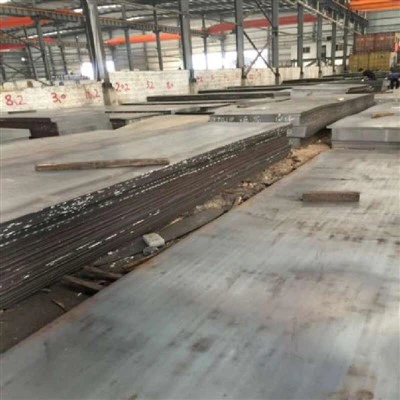
Carbon steel and stainless steel are two of the most widely used materials in various industries, each with its own unique properties, advantages, and disadvantages. As a carbon steel supplier, I often encounter customers who are trying to decide between these two materials for their specific applications. In this blog post, I will delve into a detailed comparison of carbon steel and stainless steel, highlighting their differences in composition, properties, applications, and cost.
Composition
The primary difference between carbon steel and stainless steel lies in their chemical composition. Carbon steel is an alloy primarily composed of iron and carbon, with small amounts of other elements such as manganese, silicon, and sulfur. The carbon content in carbon steel typically ranges from 0.05% to 2.1%, and it is this carbon content that largely determines the strength and hardness of the steel.
On the other hand, stainless steel is also an iron-based alloy, but it contains a minimum of 10.5% chromium. This chromium content forms a thin, invisible layer of chromium oxide on the surface of the steel, known as the passive film. This passive film is what gives stainless steel its excellent corrosion resistance. In addition to chromium, stainless steel may also contain other elements such as nickel, molybdenum, and titanium to enhance its properties.
Properties
Strength and Hardness
Carbon steel is known for its high strength and hardness, especially when heat-treated. The higher the carbon content, the stronger and harder the steel becomes. This makes carbon steel an ideal choice for applications that require high strength, such as construction, machinery, and automotive parts. For example, SS400 Carbon Steel Plate is a popular grade of carbon steel used in structural applications due to its good strength and weldability.
Stainless steel, while also strong, is generally not as hard as high-carbon steel. However, some stainless steel grades, such as martensitic stainless steels, can be heat-treated to achieve high strength and hardness. The strength of stainless steel is more balanced with its other properties, such as corrosion resistance and ductility.
Corrosion Resistance
One of the most significant differences between carbon steel and stainless steel is their corrosion resistance. Carbon steel is prone to rust and corrosion when exposed to moisture and oxygen. This is because the iron in carbon steel reacts with oxygen to form iron oxide, which we commonly know as rust. Without proper protection, such as painting, galvanizing, or coating, carbon steel can corrode quickly, reducing its strength and lifespan.
Stainless steel, on the other hand, has excellent corrosion resistance due to the presence of the passive film. This film acts as a barrier, preventing oxygen and moisture from reaching the steel surface and causing corrosion. Stainless steel can withstand various corrosive environments, including acidic, alkaline, and chloride-rich environments, making it suitable for applications in industries such as food processing, chemical, and marine.
Ductility and Formability
Ductility is the ability of a material to deform under tensile stress without breaking. Carbon steel, especially low-carbon steel, is highly ductile and can be easily formed into various shapes through processes such as rolling, forging, and bending. This makes it a popular choice for applications that require complex shapes, such as automotive body panels and pipes. For instance, 1045 Carbon Steel Pipe is commonly used in mechanical and structural applications due to its good formability and machinability.
Stainless steel also has good ductility, although it may be more difficult to form than carbon steel in some cases. Austenitic stainless steels, in particular, are known for their high ductility and can be cold-worked to a great extent. However, martensitic and ferritic stainless steels may have lower ductility and require more careful handling during forming processes.


Weldability
Both carbon steel and stainless steel can be welded, but the welding processes and techniques may vary. Carbon steel is generally easier to weld than stainless steel, especially low-carbon steel. It can be welded using various methods, such as arc welding, gas welding, and resistance welding. However, high-carbon steel may require preheating and post-weld heat treatment to prevent cracking and ensure the quality of the weld.
Stainless steel welding requires more careful attention to detail due to the presence of alloying elements. Specialized welding techniques and filler materials are often required to maintain the corrosion resistance and mechanical properties of the welded joint. Austenitic stainless steels are relatively easy to weld, while martensitic and ferritic stainless steels may require more complex welding procedures.
Applications
Carbon Steel Applications
Carbon steel is widely used in a variety of industries due to its high strength, affordability, and easy formability. Some common applications of carbon steel include:
- Construction: Carbon steel is used in the construction of buildings, bridges, and other infrastructure due to its high strength and ability to withstand heavy loads. Structural steel beams, columns, and plates are typically made of carbon steel.
- Automotive: Carbon steel is used in the manufacturing of automotive parts, such as engine components, chassis, and body panels. Its high strength and formability make it suitable for these applications.
- Machinery: Carbon steel is used in the production of machinery and equipment, such as gears, shafts, and bearings. Its hardness and wear resistance make it ideal for these high-stress applications.
- Pipelines: Carbon steel pipes are widely used in the transportation of oil, gas, and other fluids due to their high strength and durability. 1045 Carbon Steel Pipe is a common choice for pipeline applications.
Stainless Steel Applications
Stainless steel is used in applications where corrosion resistance is a critical requirement. Some common applications of stainless steel include:
- Food Processing: Stainless steel is widely used in the food processing industry due to its excellent corrosion resistance, easy cleanability, and non-toxicity. It is used in the manufacture of food processing equipment, storage tanks, and kitchen utensils.
- Chemical and Petrochemical: Stainless steel is used in the chemical and petrochemical industries to handle corrosive chemicals and fluids. It is used in the construction of reactors, storage vessels, and pipelines.
- Medical: Stainless steel is used in the medical industry due to its biocompatibility, corrosion resistance, and ease of sterilization. It is used in the manufacture of medical instruments, implants, and surgical equipment.
- Marine: Stainless steel is used in the marine industry due to its ability to withstand the harsh marine environment. It is used in the construction of ships, offshore platforms, and other marine structures.
Cost
In general, carbon steel is more affordable than stainless steel. The price of carbon steel is primarily determined by the carbon content and the market demand for steel. Low-carbon steel is the most common and affordable type of carbon steel, while high-carbon steel and alloy carbon steel may be more expensive.
Stainless steel, on the other hand, is more expensive due to the higher cost of alloying elements, such as chromium and nickel, and the more complex manufacturing processes. The price of stainless steel also varies depending on the grade and the market demand.
Conclusion
In conclusion, carbon steel and stainless steel have their own unique properties and advantages, and the choice between them depends on the specific requirements of the application. Carbon steel is a cost-effective option for applications that require high strength and hardness, but it is prone to corrosion and requires proper protection. Stainless steel, on the other hand, offers excellent corrosion resistance and is suitable for applications in harsh environments, but it is more expensive.
As a carbon steel supplier, I can offer a wide range of carbon steel products, including SS400 Carbon Steel Plate, 1045 Carbon Steel Pipe, 1010 Carbon Steel Wire, 1008 Carbon Steel Coil, and S45C Carbon Steel Bar. If you are considering using carbon steel for your project, I would be happy to discuss your requirements and provide you with the best solutions. Please feel free to contact me to start a procurement discussion.