Carbon steel and tool steel are two widely used types of steel in various industries. As a seasoned carbon steel supplier, I've witnessed the diverse applications and unique characteristics of these materials. In this blog, I'll delve into the differences between carbon steel and tool steel, exploring their compositions, properties, applications, and more.
Composition
The composition is the fundamental factor that differentiates carbon steel from tool steel.
Carbon steel is primarily composed of iron and carbon, with carbon content ranging from 0.05% to 2.1%. Other elements such as manganese, silicon, sulfur, and phosphorus are also present in small amounts, which can slightly affect its properties. Depending on the carbon content, carbon steel can be classified into three main categories: low - carbon steel (carbon content less than 0.3%), medium - carbon steel (carbon content between 0.3% and 0.6%), and high - carbon steel (carbon content greater than 0.6%).
Tool steel, on the other hand, has a more complex composition. In addition to iron and carbon, it contains significant amounts of alloying elements such as chromium, vanadium, tungsten, and molybdenum. These alloying elements are added to enhance specific properties of the steel, such as hardness, wear resistance, and heat resistance. The carbon content in tool steel typically ranges from 0.5% to 1.5%.
Properties
Hardness
Hardness is a crucial property for many applications. Tool steel generally has a higher hardness compared to carbon steel. The alloying elements in tool steel, especially chromium, vanadium, and tungsten, form hard carbides within the steel matrix. These carbides significantly increase the hardness and wear resistance of the steel. For example, high - speed tool steels can maintain their hardness even at elevated temperatures, making them suitable for high - speed machining operations.
Carbon steel's hardness depends on its carbon content. High - carbon steel has a relatively high hardness, but it is still lower than most tool steels. Low - and medium - carbon steels are softer and more ductile, which makes them easier to form and weld.
Strength
Strength is another important property. Tool steel often has higher strength than carbon steel, especially in applications where high - stress resistance is required. The alloying elements in tool steel contribute to its high strength by improving the steel's microstructure and preventing the movement of dislocations.
Carbon steel also offers a good range of strength. Medium - and high - carbon steels can have sufficient strength for many structural applications. However, in high - load and high - stress applications, tool steel is usually the better choice.
Ductility
Ductility refers to the ability of a material to deform plastically without fracturing. Carbon steel, especially low - carbon steel, has excellent ductility. This property makes it easy to shape through processes such as rolling, forging, and bending. Low - carbon steel is commonly used in applications where formability is crucial, such as in the production of automotive body panels.
Tool steel, however, is generally less ductile. The high hardness and the presence of hard carbides in tool steel limit its ability to deform plastically. Tool steel is more brittle compared to carbon steel, and it requires careful handling during manufacturing and processing to prevent cracking.
Heat Resistance
Tool steel is well - known for its excellent heat resistance. The alloying elements in tool steel, such as tungsten and molybdenum, can form stable compounds that prevent the steel from softening at high temperatures. High - speed tool steels, for example, can maintain their cutting edge at temperatures up to 600°C (1112°F), allowing them to be used in high - speed machining operations.
Carbon steel has relatively poor heat resistance. At high temperatures, the strength and hardness of carbon steel can decrease significantly. High - carbon steel may experience a loss of hardness and become brittle when heated to high temperatures, which limits its use in high - temperature applications.
Applications
Carbon Steel
Due to its excellent formability and relatively low cost, carbon steel is widely used in many industries.
- Construction: In the construction industry, carbon steel is used for structural components such as beams, columns, and reinforcing bars. For example, SS400 Carbon Steel Plate is commonly used in building structures due to its good strength and weldability.
- Automotive Industry: Carbon steel is used for manufacturing various automotive parts, including body panels, frames, and engine components. 1018 Carbon Steel Bar is often used in automotive manufacturing because of its good machinability and formability.
- Pipelines: Carbon steel pipes are used for transporting liquids and gases in various industries. 1045 Carbon Steel Pipe is a popular choice for pipelines due to its high strength and corrosion resistance.
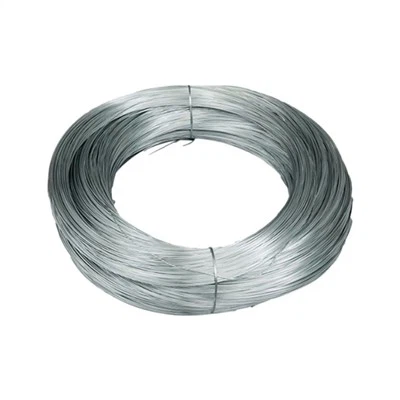
- Wire Products: Carbon steel wire is used in a wide range of applications, such as fencing, springs, and electrical wiring. 1010 Carbon Steel Wire is known for its good ductility and is commonly used in wire - related manufacturing.
Tool Steel
Tool steel is specifically designed for applications where high hardness, wear resistance, and heat resistance are required.
- Cutting Tools: Tool steel is the primary material for manufacturing cutting tools such as drills, end mills, and saw blades. The high hardness and wear resistance of tool steel allow these tools to maintain their cutting edge for a long time, even when cutting hard materials.
- Molds and Dies: In the manufacturing industry, tool steel is used to make molds and dies for processes such as injection molding, forging, and stamping. The ability of tool steel to withstand high pressures and temperatures makes it suitable for these applications. For example, hot - work tool steels are used for making dies for hot forging processes.
- Measuring Tools: Tool steel is also used in the production of measuring tools such as calipers and micrometers. The high precision and stability of tool steel ensure the accuracy of these measuring instruments.
Cost
Cost is an important consideration in material selection. Carbon steel is generally less expensive than tool steel. The relatively simple composition of carbon steel and its large - scale production make it a cost - effective choice for many applications. The production of tool steel, on the other hand, involves the addition of expensive alloying elements and more complex manufacturing processes, which increase its cost.
Machinability
Machinability refers to the ease with which a material can be machined. Carbon steel, especially low - and medium - carbon steel, has good machinability. It can be easily cut, drilled, and turned using conventional machining methods. High - carbon steel may be more difficult to machine due to its higher hardness.
Tool steel is generally more difficult to machine than carbon steel. The high hardness and the presence of hard carbides in tool steel require the use of specialized cutting tools and machining techniques. However, modern machining technologies have made it possible to machine tool steel with high precision.


As a Carbon Steel Supplier
As a carbon steel supplier, I understand the unique requirements of different industries. We offer a wide range of carbon steel products, including 1045 Carbon Steel Pipe, S45C Carbon Steel Bar, SS400 Carbon Steel Plate, 1010 Carbon Steel Wire, and 1018 Carbon Steel Bar. These products are carefully manufactured to meet the highest quality standards.
If you are in need of carbon steel products for your projects, whether it's for construction, automotive, or other industries, we are here to provide you with the best solutions. Feel free to contact us for more information about our products and to discuss your procurement needs. We look forward to working with you to achieve your goals.