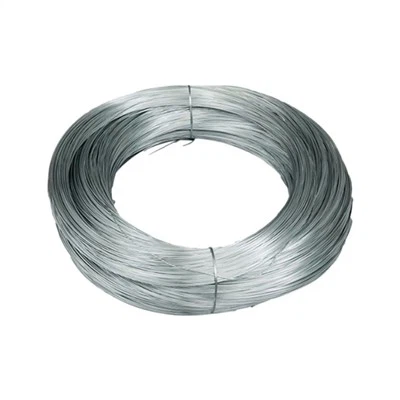
Hey there! As a supplier of stainless steel coil, I've dealt with all sorts of questions about how to properly handle this stuff. So, I thought I'd share some insights on whether there are any special requirements for handling stainless steel coil.
First off, let's talk about storage. Stainless steel coil is a pretty tough material, but it's not invincible. If you leave it out in the open for too long, exposed to the elements, it can start to develop rust or other surface defects. So, the number one rule for storage is to keep it in a dry, covered area. A warehouse is ideal, but if that's not available, at least use a tarp or other protective covering to shield it from rain, snow, and humidity.
Another thing to keep in mind is that stainless steel coil can be damaged by scratches. Even minor scratches can affect the appearance and performance of the coil, especially if it's going to be used in a high - visibility or high - performance application. When storing the coils, make sure they're not stacked in a way that allows them to rub against each other. You can use separators, like pieces of cardboard or plastic, between the coils to prevent contact.
Now, when it comes to moving the stainless steel coil, there are some special considerations. These coils can be heavy, and moving them around carelessly can lead to accidents. You need to use the right equipment for the job. Forklifts are commonly used, but they need to be equipped with the proper attachments to securely lift and move the coils. For example, a coil lifter is designed specifically for handling coils and can prevent them from slipping or falling during transportation.
It's also important to handle the coils with clean hands or use gloves. Grease, oil, or dirt from your hands can contaminate the surface of the stainless steel, which can cause problems later on. If you're handling the coils in a factory environment, make sure the workspace is clean and free of debris that could scratch or damage the coils.
Let's dig a bit deeper into the different types of stainless steel coils. For instance, the 316 Stainless Steel Coil is known for its excellent corrosion resistance, especially in marine and chemical environments. However, even this tough - as - nails type of coil needs proper handling. Because of its higher alloy content, 316 stainless steel can be more susceptible to certain types of corrosion if it's exposed to the wrong chemicals during handling. So, make sure to avoid contact with acidic or alkaline substances.
The No.1 Stainless Steel Coil is another popular option. It has a mill finish, which is pretty basic but also gives it a certain look. When handling this type of coil, be extra careful not to damage the mill finish. Any scratches or dents can be more noticeable on a No.1 finish, and it can be challenging to repair them without affecting the overall appearance.


In addition to physical handling, the way you cut and process stainless steel coil also matters. Cutting stainless steel generates a lot of heat, which can cause warping or other issues if not managed properly. You should use the right cutting tools, like a plasma cutter or a laser cutter, depending on your specific needs. And don't forget about coolant. Using coolant during the cutting process can help keep the temperature down and prevent damage to the coil.
When it comes to deburring or finishing the edges of the cut coil, use appropriate tools. A wire brush or a deburring machine can be used to smooth out the edges, but make sure not to apply too much pressure, as this can also damage the surface of the stainless steel.
Now, let's talk about transportation. If you're shipping the stainless steel coil, the packaging is crucial. You want to protect the coil from damage during transit. Wrap the coil in a protective plastic film or use a custom - made wooden crate. This will help prevent scratches, dents, and other types of damage that can occur when the coil is jostled around in a truck or a shipping container.
It's also a good idea to label the coil clearly with information like the type of stainless steel, the dimensions, and any special handling instructions. This way, everyone involved in the transportation process knows what they're dealing with and can take the necessary precautions.
If you plan to store the stainless steel coil for an extended period, you might want to consider applying a protective coating. There are various types of coatings available, such as wax - based or polymer - based coatings. These coatings can provide an extra layer of protection against corrosion and other environmental factors.
In summary, there are definitely special requirements for handling stainless steel coil. From storage to transportation, cutting to finishing, every step in the process needs to be done with care. By following these guidelines, you can ensure that your stainless steel coil remains in top - notch condition and meets your quality standards.
If you're in the market for high - quality stainless steel coil, I'd love to talk to you. Whether you need 316 Stainless Steel Coil, No.1 Stainless Steel Coil, or any other type, I've got you covered. Reach out to me to discuss your specific needs and let's work together to find the perfect solution for your project.