How to Prevent Carbon Steel from Rusting
As a seasoned carbon steel supplier, I've witnessed firsthand the challenges posed by rust to this versatile material. Carbon steel is a popular choice in various industries due to its strength, durability, and cost - effectiveness. However, its susceptibility to rust can significantly reduce its lifespan and performance. In this blog post, I'll share some effective strategies to prevent carbon steel from rusting.


Understanding Rusting in Carbon Steel
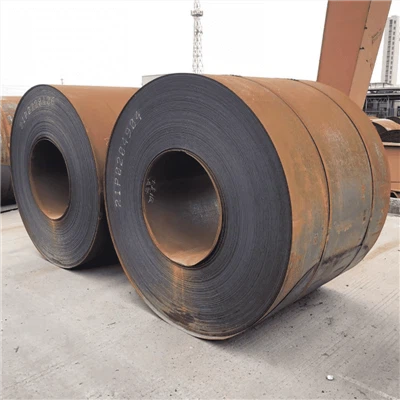
Before delving into prevention methods, it's essential to understand the rusting process. Rust is a form of corrosion that occurs when iron in carbon steel reacts with oxygen and water. This chemical reaction forms iron oxide, which is commonly known as rust. The presence of moisture accelerates this reaction, making environments with high humidity or direct contact with water particularly problematic.
Surface Protection
One of the most straightforward ways to prevent rust is to protect the surface of the carbon steel. There are several methods for achieving this:
Painting
Painting creates a physical barrier between the steel and the surrounding environment, preventing oxygen and water from reaching the metal surface. When applying paint to carbon steel, it's crucial to prepare the surface properly. This involves cleaning the steel to remove any dirt, oil, or existing rust using a wire brush or sandpaper. After cleaning, a primer can be applied to enhance the adhesion of the paint. There are various types of paints available for carbon steel, including epoxy, alkyd, and acrylic paints. Each type has its own advantages, such as epoxy paints offering excellent chemical resistance.
Galvanizing
Galvanizing is a process where a layer of zinc is applied to the carbon steel surface. Zinc is more reactive than iron, so when it comes into contact with oxygen and water, it corrodes first, protecting the underlying steel. There are two main types of galvanizing: hot - dip galvanizing and electro - galvanizing. Hot - dip galvanizing involves immersing the steel in a bath of molten zinc, resulting in a thick and durable zinc coating. Electro - galvanizing, on the other hand, uses an electric current to deposit a thinner layer of zinc onto the steel. Galvanized carbon steel, such as the Q195 Carbon Steel Coil, is widely used in outdoor applications like construction and automotive industries.
Powder Coating
Powder coating is another effective surface protection method. In this process, a dry powder is electrostatically applied to the steel surface and then cured in an oven. The powder melts and forms a hard, durable coating. Powder coating offers several benefits, including excellent color retention, resistance to chipping and scratching, and environmental friendliness as it produces less waste compared to liquid paints.
Environmental Control
Controlling the environment in which carbon steel is stored and used can significantly reduce the risk of rusting.
Humidity Control
High humidity levels provide the moisture necessary for rust to form. In indoor storage areas, dehumidifiers can be used to maintain a relative humidity below 50%. This helps to limit the amount of water vapor in the air, reducing the likelihood of rusting. For outdoor applications, proper ventilation and drainage should be ensured to prevent the accumulation of water around the steel.
Avoiding Contact with Corrosive Substances
Carbon steel should be kept away from substances that can accelerate corrosion, such as acids, alkalis, and salts. In industrial settings, where exposure to these substances is more likely, appropriate protective measures should be taken. For example, if the steel is used in a chemical plant, it can be coated with a chemical - resistant paint or placed in a sealed enclosure.
Regular Maintenance
Regular maintenance is crucial for preventing rust on carbon steel.
Inspection
Periodic inspections should be carried out to detect any signs of rust early. This allows for prompt action to be taken before the rust spreads and causes significant damage. During inspections, areas that are prone to rusting, such as joints, edges, and areas with scratches, should be carefully examined.
Cleaning
Cleaning the carbon steel regularly helps to remove dirt, dust, and other contaminants that can trap moisture and accelerate rusting. Mild detergents and soft brushes can be used for cleaning. After cleaning, the steel should be dried thoroughly to prevent water from remaining on the surface.
Using Rust Inhibitors
Rust inhibitors are chemicals that can be applied to the carbon steel surface to prevent or slow down the rusting process. There are two main types of rust inhibitors: temporary and permanent.
Temporary Rust Inhibitors
Temporary rust inhibitors are often used for short - term protection during storage or transportation. These inhibitors can be in the form of oils, waxes, or water - based solutions. They create a thin film on the steel surface, which prevents oxygen and water from reaching the metal. Once the steel is ready for use, the temporary inhibitor can be easily removed.
Permanent Rust Inhibitors
Permanent rust inhibitors are incorporated into coatings or paints. They work by either reacting with the metal surface to form a protective layer or by interfering with the chemical reactions that cause rusting. Some permanent rust inhibitors can also provide additional benefits such as improving the adhesion of the coating.
Choosing the Right Carbon Steel Grade
Different grades of carbon steel have varying levels of resistance to rust. For example, 1008 Carbon Steel Coil and 1010 Carbon Steel Wire have relatively low carbon content, which can offer better formability but may be more susceptible to rust compared to higher - alloyed carbon steels. 1018 Carbon Steel Bar and S45C Carbon Steel Bar have different properties and may be more suitable for certain applications where rust resistance is a concern. When selecting carbon steel, it's important to consider the specific requirements of the project and choose the grade that offers the best balance between strength, formability, and rust resistance.
Conclusion
Preventing carbon steel from rusting is essential for maintaining its quality and performance. By using surface protection methods, controlling the environment, performing regular maintenance, using rust inhibitors, and choosing the right carbon steel grade, you can effectively extend the lifespan of carbon steel. At our company, we are committed to providing high - quality carbon steel products and expert advice on rust prevention. If you're in the market for carbon steel products or need more information on how to prevent rust, we invite you to contact us for a consultation. Let's work together to ensure your projects are supported by reliable and long - lasting carbon steel solutions.