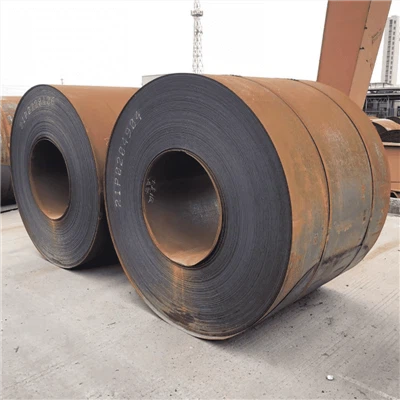
Hey there! I'm a supplier of inconel coil, and I get a ton of questions about how to weld this stuff. Inconel is super cool but can be a bit tricky to work with, especially when it comes to welding. So, in this blog, I'm gonna share some tips and tricks on how to weld inconel coil like a pro.
Understanding Inconel Coil
First things first, let's talk a bit about what inconel coil is. Inconel is a family of nickel - chromium - based superalloys. These alloys are known for their excellent corrosion resistance, high - temperature strength, and oxidation resistance. That's why they're used in a wide range of applications, from aerospace to chemical processing.
There are different types of inconel alloys, and one of them is Inconel 783. If you're interested in Inconel 783 Coil, you can check out Inconel 783 Coil for more details.
Pre - Welding Preparation
Before you even think about striking an arc, you need to do some prep work. This is crucial to ensure a successful weld.
Cleaning the Coil
The inconel coil must be clean. Any dirt, oil, or grease can contaminate the weld and cause problems. I usually use a stainless - steel wire brush to remove any surface contaminants. You can also use a solvent like acetone to clean the coil. Just make sure to let it dry completely before you start welding.
Fit - Up
Proper fit - up is essential. The pieces of the inconel coil you're welding together should fit snugly. Any gaps can lead to uneven welds and weak joints. Use clamps to hold the pieces in place. Make sure the alignment is correct, as even a small misalignment can cause issues during welding.
Selecting the Right Filler Metal
Choosing the right filler metal is a big deal. It should match the base metal as closely as possible in terms of composition. For most inconel alloys, a filler metal with a similar nickel - chromium content is a good choice. You can consult the manufacturer's recommendations or a welding expert to find the best filler metal for your specific inconel coil.
Welding Techniques
Now, let's get into the actual welding techniques. There are a few different methods you can use to weld inconel coil, and each has its pros and cons.
Tungsten Inert Gas (TIG) Welding
TIG welding is one of the most popular methods for welding inconel coil. It gives you a high level of control over the weld pool and produces clean, high - quality welds. Here's how you do it:


- Set up the TIG welder: Make sure you have the right settings for the thickness of the inconel coil. The amperage, gas flow rate, and electrode type all need to be adjusted correctly.
- Shielding gas: Use an inert gas like argon to shield the weld pool from oxygen and other contaminants. This helps prevent oxidation and ensures a strong weld.
- Striking the arc: Start the arc by touching the tungsten electrode to the work piece and then quickly pulling it away. Keep a short arc length to maintain good control.
- Adding filler metal: Feed the filler metal into the weld pool at a steady rate. Make sure the filler metal melts evenly and blends well with the base metal.
Metal Inert Gas (MIG) Welding
MIG welding is another option for welding inconel coil. It's faster than TIG welding but may not provide the same level of control.
- Equipment setup: Set up the MIG welder with the appropriate wire feed speed and voltage for the inconel coil.
- Shielding gas: Similar to TIG welding, use an inert gas to protect the weld. A mixture of argon and helium can be a good choice for MIG welding inconel.
- Welding process: Guide the welding gun along the joint, keeping a consistent travel speed. The wire should feed smoothly into the weld pool.
Post - Welding Considerations
Once you've finished welding the inconel coil, there are a few things you need to do.
Heat Treatment
Heat treatment can improve the mechanical properties of the weld. It can relieve residual stresses and enhance the corrosion resistance of the joint. The exact heat - treatment process depends on the type of inconel alloy and the application. You may need to consult a metallurgist or follow the manufacturer's guidelines.
Inspection
Inspect the weld carefully. Look for any signs of cracks, porosity, or other defects. You can use non - destructive testing methods like ultrasonic testing or X - ray inspection to check the internal quality of the weld.
Cleaning
After the inspection, clean the weld area to remove any slag or spatter. You can use a wire brush or a grinding wheel to clean the surface.
Troubleshooting Common Welding Problems
Even if you follow all the steps correctly, you may still run into some problems when welding inconel coil. Here are some common issues and how to fix them.
Cracking
Cracking can occur due to several reasons, such as high residual stresses, improper filler metal selection, or rapid cooling. To prevent cracking, make sure you use the right filler metal, control the heat input, and allow the weld to cool slowly.
Porosity
Porosity is caused by the presence of gas bubbles in the weld. This can be due to contaminated filler metal, improper shielding gas, or a dirty work piece. Clean the work piece thoroughly, use clean filler metal, and ensure proper shielding gas flow.
Oxidation
Oxidation can happen if the weld pool is not properly protected from oxygen. Make sure you use an adequate shielding gas and maintain a proper arc length during welding.
Conclusion
Welding inconel coil can be a challenging but rewarding process. By following the steps I've outlined in this blog, you can achieve high - quality welds. Remember, preparation is key, and choosing the right welding technique and filler metal is crucial.
If you're in the market for inconel coil or have any questions about welding it, feel free to reach out. I'm here to help you with all your inconel coil needs. Whether you're a small - scale fabricator or a large - scale industrial manufacturer, I can provide you with the best quality inconel coil and offer advice on welding it.