Hey there! As a carbon steel supplier, I've been getting a lot of questions about the requirements for carbon steel in food - contact applications. So, I thought I'd put together this blog to share some insights.
Why Carbon Steel for Food - Contact?
Carbon steel is a popular choice for food - contact applications for several reasons. First off, it's strong and durable. You can use it to make all sorts of kitchen tools, from knives to pots and pans. It can handle high temperatures and heavy use without easily breaking or deforming.
Another great thing about carbon steel is its heat conductivity. It heats up quickly and evenly, which is super important when you're cooking. You can get that nice sear on your steak or cook your veggies to perfection.
Key Requirements for Carbon Steel in Food - Contact
1. Chemical Composition
The chemical composition of carbon steel is crucial in food - contact applications. The carbon content should be within a certain range. Too much carbon can make the steel brittle and prone to corrosion, which is a big no - no when it comes to food safety.
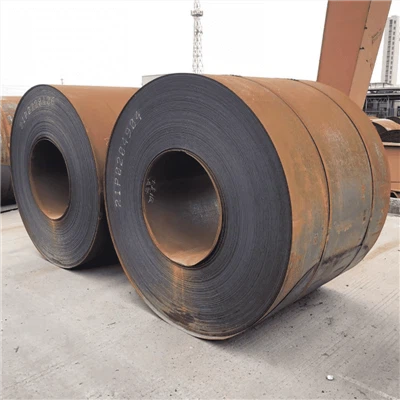
Most food - grade carbon steels have a relatively low carbon content. For example, Q195 Carbon Steel Coil is a good option. It has a low carbon content, which makes it more malleable and less likely to rust. This type of steel is often used in making food containers and some kitchen utensils.
We also have 1008 Carbon Steel Coil. It's a low - carbon steel that's known for its excellent formability. It can be easily shaped into different forms, like trays or small food - handling equipment.
In addition to carbon, other elements in the steel also matter. For instance, the presence of harmful elements such as lead, mercury, and cadmium should be minimized. These elements can leach into food and pose health risks. So, we make sure our carbon steels are tested to ensure they meet the strict standards for these elements.
2. Surface Finish
The surface finish of carbon steel used in food - contact applications is very important. A smooth surface is preferred because it's easier to clean. Bacteria and other contaminants can get trapped in rough surfaces, which can lead to food spoilage and health problems.
We usually provide carbon steel products with a polished or smooth finish. This not only makes them look nice but also helps in maintaining food safety. For example, a S45C Carbon Steel Bar used in food - processing equipment can be ground and polished to achieve a smooth surface.
3. Corrosion Resistance
Corrosion is a major concern in food - contact applications. When carbon steel corrodes, it can release rust particles into the food, which is not only unappetizing but also potentially harmful.
To enhance corrosion resistance, we can apply coatings or treatments to the carbon steel. Some common coatings include food - grade epoxy coatings. These coatings act as a barrier between the steel and the food, preventing corrosion and ensuring food safety.
4. Hygiene and Cleanability
Carbon steel used in food - contact applications must be easy to clean. It should be able to withstand regular cleaning with common cleaning agents without getting damaged.
We recommend using mild detergents and warm water for cleaning. Avoid using abrasive cleaners that can scratch the surface of the steel. Regular cleaning helps to remove any food residues and prevent the growth of bacteria.
Standards and Regulations
There are several standards and regulations that govern the use of carbon steel in food - contact applications. For example, in the United States, the Food and Drug Administration (FDA) has specific requirements for materials that come into contact with food. These requirements cover aspects such as chemical composition, surface finish, and safety.
In the European Union, the European Food Safety Authority (EFSA) also has similar regulations. It's important for us as suppliers to ensure that our carbon steel products meet these standards. We conduct regular tests and inspections to make sure our products are compliant.
Our Carbon Steel Products for Food - Contact
We offer a wide range of carbon steel products that are suitable for food - contact applications. Our Q195 Carbon Steel Coil is a versatile option. It can be used in making food - storage containers, as well as some simple kitchen tools.
The 1008 Carbon Steel Coil is great for applications where formability is key. You can use it to make custom - shaped food - handling equipment.


And our S45C Carbon Steel Bar is often used in food - processing machinery. It's strong and can be machined to the required specifications.
How to Choose the Right Carbon Steel for Your Food - Contact Needs
When choosing carbon steel for food - contact applications, you need to consider several factors. First, think about the specific application. If you're making a knife, you'll need a steel with high hardness and good edge - holding properties. If it's a food container, you'll focus more on corrosion resistance and ease of cleaning.
You also need to consider the volume of production. If you're making a large number of products, you might want to choose a more cost - effective option. But don't compromise on quality and safety.
Contact Us for Your Carbon Steel Needs
If you're in the market for carbon steel for food - contact applications, we're here to help. We have a team of experts who can guide you through the selection process and answer any questions you might have. Whether you need a small quantity for a prototype or a large order for mass production, we can meet your requirements.
Don't hesitate to reach out to us for more information. We're committed to providing high - quality carbon steel products that meet the strictest food - safety standards.