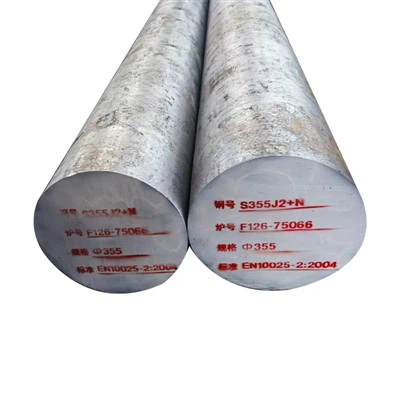
Picking the right carbon steel for a particular application can seem super tricky, especially with all the different types out there. But as a carbon steel supplier, I'm here to break it down for you and help you make the best choice for your needs.
Let's first get a basic understanding of carbon steel. You see, carbon steel is a type of steel that has carbon as its main alloying element. The carbon content can really vary, and this variation has a huge impact on the steel's properties. Low - carbon steel has less carbon, usually 0.05% - 0.3%. That makes it more ductile and easier to form, weld, and machine. On the flip side, high - carbon steel packs more carbon, typically 0.6% - 1.5%, which gives it higher strength and hardness but makes it a bit more brittle.
Now, when it comes to selecting the right carbon steel for your project, there are quite a few key factors to take into account.
Mechanical Properties You Need
The main job of your final product decides what kind of mechanical properties the carbon steel should have. If you're working on a project that needs high strength like a building's structural support, you'll want a steel that can handle a lot of weight and stress without deforming. Think high - carbon steel or medium - carbon steel.
For example, if you're building a bridge, you need steel that can withstand the constant load of traffic and environmental factors. High - carbon steel can be a good option here because of its high strength. But if you're making something that needs to be bent or shaped easily, like a piece of jewelry or a small metal component for a machine, low - carbon steel is the way to go. It's malleable and can be formed into different shapes without cracking.
Machinability
How easy the steel is to machine is a big deal. You don't want to spend hours trying to cut, drill, or shape the steel. Low - carbon steel is a champ when it comes to machinability. It cuts smoothly, and the chips produced during machining are easy to manage.
Let's say you're running a small workshop and you're making custom - made metal parts. You'll want a steel that you can work with quickly and efficiently. Low - carbon steel, like the 1018 Carbon Steel Bar, is well - known for its excellent machinability. It allows you to create precise parts with less effort and time.
On the other hand, high - carbon steel can be a bit of a pain to machine. It's harder, which means you need more powerful tools and it takes longer to cut through. But if the end - product requires high strength and hardness, the extra machining effort might be worth it.
Weldability
If your project involves welding different pieces of steel together, weldability is crucial. Low - carbon steel is great for welding. It doesn't form hard, brittle zones around the weld area as easily as high - carbon steel does.
For instance, if you're building a steel frame for a greenhouse, you'll likely need to weld several pieces of steel together. Using a low - carbon steel will make the welding process smoother and reduce the risk of weld failures. The S45C Carbon Steel Bar offers good weldability, along with other useful properties, which makes it a popular choice for many welding applications.
High - carbon steel, however, needs special welding techniques and pre - and post - welding heat treatments to prevent cracking and ensure a strong weld. So, if you're not experienced with welding high - carbon steel, it's better to stick with low - or medium - carbon options.
Corrosion Resistance
Depending on where your product will be used, corrosion resistance can be a major concern. Carbon steel, on its own, isn't the most corrosion - resistant material. But there are ways to improve its resistance.
If you're making outdoor furniture or a fence, the steel will be exposed to rain, humidity, and other environmental elements. You might want to consider using a carbon steel with some form of protective coating. For less corrosive environments, like an indoor machine part, regular carbon steel might be enough.
Some carbon steels can be alloyed with other elements to increase corrosion resistance. But if cost is an issue, you can also use a simple paint or galvanizing process to protect the steel. The SS400 Carbon Steel Plate can be treated to enhance its resistance to corrosion, making it suitable for a variety of applications.


Cost
Let's face it, cost matters. Different types of carbon steel have different price tags. Low - carbon steel is generally cheaper than high - carbon steel. If your project has a tight budget, low - carbon steel can be a great option.
For example, if you're making a large - scale construction project like a storage shed, you'll need a lot of steel. Using low - carbon steel can save you a significant amount of money. The 1008 Carbon Steel Coil is often a cost - effective choice for many general - purpose applications.
But if your project requires high - performance steel with specific properties, like a high - precision machine tool, then you may have to spend a bit more on high - carbon or alloyed carbon steel.
Availability
Finally, you need to consider the availability of the carbon steel. Some specialized types of carbon steel may be hard to find or have long lead times. As a carbon steel supplier, I can help you with this. We usually have a good stock of common types of carbon steel, like the ones I've mentioned above.
For instance, the Q195 Carbon Steel Coil is a widely used type of low - carbon steel, and we often keep it in stock. This means you can get your hands on it quickly, which is great if you're on a tight schedule for your project.
Examples of Carbon Steel Applications
- Automotive Industry: In cars, low - carbon steel is used for body panels because it's easy to form into different shapes. High - strength, low - alloy carbon steels are used for parts like engine components that need to withstand high stress and heat.
- Construction Industry: Structural beams and columns in buildings are often made from medium - or high - carbon steel for their strength. Reinforcing bars in concrete structures also use carbon steel to add strength and durability.
- Manufacturing Industry: For making tools, high - carbon steel is the top choice. Tools like drills, saws, and hammers need to be hard and wear - resistant, and high - carbon steel provides those properties.
Conclusion
Selecting the right carbon steel for a specific application is all about assessing your needs, considering the mechanical properties, machinability, weldability, corrosion resistance, cost, and availability. As a carbon steel supplier, I've seen firsthand how important it is to make the right choice.
If you're still not sure which carbon steel is the best fit for your project, don't hesitate to reach out. I'd be more than happy to discuss your requirements in detail and help you find the perfect carbon steel solution. Just drop me a note to start the conversation and we can get you on the right track to getting the best carbon steel for your needs.