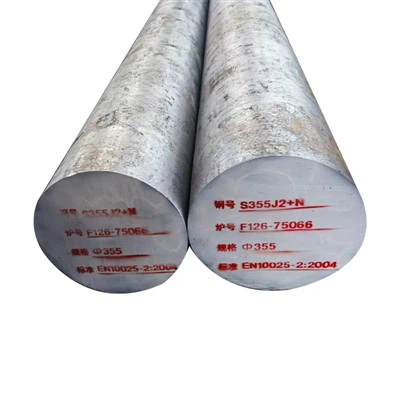
Hey there! As a duplex steel supplier, I've got a ton of hands - on experience dealing with all sorts of duplex steel products, like 2205 Duplex Stainless Steel Wire, S31803 Duplex Stainless Steel Wire, Super Duplex Steel UNS S32760 Round Bar, 2205 Duplex Stainless Steel Coil, and S31803 Duplex Steel Bar. Today, I want to chat about what alloying elements do to the machinability of duplex steel.
First off, let's understand what duplex steel is. Duplex steel is a type of stainless steel that has a two - phase microstructure, made up of both ferrite and austenite. This unique structure gives it some really cool properties, like high strength and good corrosion resistance. But when it comes to machining, things can get a bit tricky, and that's where those alloying elements come in.


Chromium (Cr)
Chromium is a key player in duplex steel. It's mainly responsible for the steel's corrosion resistance. When it comes to machinability, chromium can have a mixed effect. On one hand, it increases the hardness of the steel. A harder steel can be difficult to machine because it dulls the cutting tools faster. The cutting edges of the tools have to work harder to remove the material, and this leads to more wear and tear.
For example, if you're trying to machine a duplex steel with a high chromium content, you might notice that the cutting forces are higher. You'll need to use more powerful machining equipment, and the tools will need to be replaced more often. On the other hand, chromium also helps in forming a passive oxide layer on the surface of the steel. This layer can protect the steel from further corrosion during the machining process, which is a plus.
Nickel (Ni)
Nickel is another important alloying element in duplex steel. It helps to stabilize the austenite phase in the steel. In terms of machinability, nickel can improve the toughness of the steel. A tough steel is less likely to crack or break during machining. This is great because it allows for smoother machining operations.
However, like chromium, too much nickel can make the steel harder to machine. A steel with a high nickel content can be more ductile, which means it tends to deform rather than chip away during machining. This can result in long, stringy chips that can get tangled around the cutting tools and cause problems. You might need to adjust your cutting parameters, like the cutting speed and feed rate, to deal with this.
Molybdenum (Mo)
Molybdenum is often added to duplex steel to enhance its pitting and crevice corrosion resistance. When it comes to machinability, molybdenum can increase the strength and hardness of the steel. Similar to chromium, a harder steel means more tool wear.
The machinability of duplex steel with a high molybdenum content can be quite poor. The cutting tools have to endure high stresses, and the cutting efficiency can be low. You may need to use advanced cutting tools, like carbide - tipped tools, to get through the machining process. These tools are more expensive, but they can withstand the high cutting forces better than regular tools.
Nitrogen (N)
Nitrogen is an important alloying element that can dissolve in both the ferrite and austenite phases of duplex steel. It improves the strength and corrosion resistance of the steel. In terms of machinability, nitrogen can have a positive impact. It can increase the hardness of the steel just enough to improve the chip - breaking ability.
When you're machining a duplex steel with an appropriate amount of nitrogen, the chips are more likely to break into small pieces. This is great because it reduces the chances of chip entanglement around the cutting tools. The cutting process becomes smoother, and you can achieve better surface finishes on the machined parts.
Carbon (C)
Carbon is a common alloying element, but in duplex steel, its content is usually kept low. High carbon content can lead to the formation of carbides in the steel. These carbides can be very hard and can cause rapid tool wear during machining.
If the carbon content is too high, it can also reduce the corrosion resistance of the duplex steel. So, when it comes to machinability, keeping the carbon content in check is crucial. A low - carbon duplex steel is generally easier to machine because there are fewer hard particles that can damage the cutting tools.
Sulfur (S) and Selenium (Se)
Sulfur and selenium are sometimes added to duplex steel to improve its machinability. They act as free - machining additives. When these elements are present in the steel, they form sulfide or selenide inclusions. These inclusions act as stress raisers during machining.
The inclusions cause the chips to break more easily, reducing the cutting forces and improving the chip - breaking characteristics. As a result, the machining process becomes more efficient, and the tool life is extended. However, too much sulfur or selenium can reduce the toughness and corrosion resistance of the steel, so the amount added needs to be carefully controlled.
How It All Affects Our Products
As a supplier of products like 2205 Duplex Stainless Steel Wire and S31803 Duplex Steel Bar, understanding the effect of alloying elements on machinability is super important. Different customers have different machining requirements.
Some might need a duplex steel product that can be easily machined into complex shapes, while others might prioritize corrosion resistance over machinability. That's why we offer a range of duplex steel products with different alloy compositions. We can help our customers choose the right product based on their specific needs.
If you're in the market for duplex steel products, and you're wondering about the machinability for your specific application, don't hesitate to reach out. We're here to assist you in finding the perfect duplex steel solution for your machining and other requirements. Whether it's for a small - scale project or a large - scale industrial application, we've got the expertise and products to meet your needs. Just give us a call or drop us an email, and let's start a conversation about your duplex steel procurement.