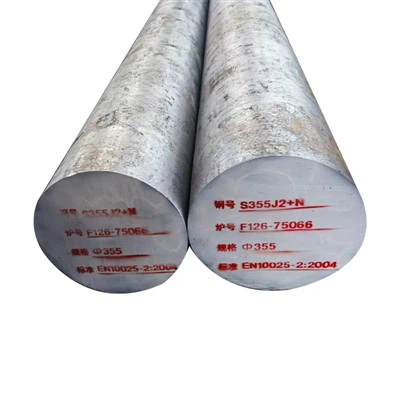
As a supplier of duplex steel, I've spent a whole lot of time chatting with customers, answering their questions, and showing them our products. One question that pops up all the time is about the difference between duplex steel and ferritic steel. So, I thought I'd write this blog to dive into the details and give you a proper comparison.
Let's start with the basics. Ferritic steel is a type of stainless steel that is mainly made up of iron and chromium. It's got a body - centered cubic (BCC) crystal structure, which gives it some good properties. For one thing, it's pretty resistant to corrosion, especially in environments where there's a lot of stress corrosion cracking. It's also magnetic, which can be handy in some applications. Ferritic steel is often used in things like automotive exhaust systems, kitchen appliances, and some architectural structures.
On the other hand, duplex steel is a bit more of a complex beast. It's a combination of austenite and ferrite, with a microstructure that's about 50 - 50 of these two phases. This unique structure gives duplex steel some really awesome properties that set it apart from ferritic steel.
Strength
When it comes to strength, duplex steel is the clear winner. The combination of austenite and ferrite in duplex steel results in a material that is much stronger than ferritic steel. Duplex steel has a higher yield strength and tensile strength, which means it can handle more stress and load without deforming or breaking. This makes duplex steel a great choice for applications where high strength is required, like offshore oil and gas platforms, chemical processing plants, and desalination plants.
For instance, if you're building an offshore platform that has to withstand harsh weather conditions and heavy equipment loads, using duplex steel can significantly reduce the weight of the structure while still maintaining its strength. In comparison, ferritic steel might not be able to handle the same level of stress, and you'd need to use a thicker section, which would add to the overall weight and cost.
Corrosion Resistance
Both duplex steel and ferritic steel are known for their corrosion resistance, but duplex steel has an edge here too. The dual - phase structure of duplex steel makes it more resistant to pitting and crevice corrosion than ferritic steel. In environments with high levels of chlorides, such as seawater, duplex steel really shines.
For example, in marine applications, our Super Duplex Steel UNS S32950 Round Bar is highly sought after. Its superior corrosion resistance means it can last much longer in seawater without rusting or corroding, reducing the need for frequent replacements. Ferritic steel, while still offering some corrosion resistance, may not hold up as well in these harsh conditions.


Weldability
Weldability is another area where the difference between the two becomes evident. Ferritic steel can be tricky to weld. When it's welded, there's a risk of grain growth, which can lead to a decrease in toughness and increase the susceptibility to cracking. Special welding techniques and pre - and post - weld heat treatments are often required to get good results with ferritic steel.
Duplex steel, on the other hand, has better weldability. Its balanced microstructure means that it can be welded with relatively standard welding procedures in many cases. Of course, like any high - performance material, proper welding practices are still necessary, but it's generally easier to work with compared to ferritic steel. Our 2205 Duplex Stainless Steel Coil is frequently used in welded structures because of its good weldability and overall performance.
Cost
Cost is always a consideration when choosing a material. Ferritic steel is generally less expensive than duplex steel. The simpler composition and production process of ferritic steel contribute to its lower cost. If you're working on a project with a tight budget and the application doesn't require the high - end properties of duplex steel, ferritic steel might be the way to go.
However, when you factor in the long - term costs, duplex steel can be a more economical choice. Its higher strength means you can use less material, and its better corrosion resistance means fewer replacements and maintenance. In applications where the cost of downtime due to corrosion or failure is high, the initial investment in duplex steel can pay off in the long run. For example, using our S31254 Duplex Stainless Steel Plate in a chemical processing plant might cost more upfront, but it can save a fortune in the long - term by reducing the need for repairs and replacements.
Ductility
Ductility is the ability of a material to deform under tensile stress without breaking. Ferritic steel has relatively low ductility compared to duplex steel. Duplex steel, with its austenitic phase, is more ductile, which means it can be formed and shaped more easily. This is an important property in applications where the material needs to be bent, stretched, or formed into complex shapes. Our S31803 Duplex Stainless Steel Wire can be easily drawn and formed into different shapes, which is great for applications like wire mesh and springs.
Impact Toughness
Impact toughness is how well a material can absorb energy when it's hit or subjected to sudden loads. Duplex steel has better impact toughness than ferritic steel. The austenitic phase in duplex steel helps to absorb and dissipate energy, making it more resistant to impact - related failures. This makes duplex steel a better choice for applications where there's a risk of impact, such as in construction equipment and transportation. Our Super Duplex Steel UNS S32760 Round Bar is often used in structures that need to withstand impact, like bridges and high - rise buildings.
In conclusion, both duplex steel and ferritic steel have their own unique properties and applications. Ferritic steel is a good choice for applications where cost is a major concern and the requirements for strength and corrosion resistance are not extremely high. Duplex steel, on the other hand, offers a combination of high strength, excellent corrosion resistance, good weldability, and better ductility and impact toughness.
If you're in the market for high - quality duplex steel products and want to discuss your specific needs, I'd be more than happy to help. Whether you're working on a small project or a large - scale industrial application, we've got the right duplex steel solution for you. Reach out and let's start a conversation about how we can meet your requirements.